Saturday

How Can HydraFacial Transform Your Skin?

In the bustling city of Abu Dhabi, where the sun shines brightly and the lifestyle is vibrant, maintaining healthy, radiant skin can be a challenge. Fortunately, innovative skincare treatments like HydraFacial Abu Dhabi are gaining immense popularity among beauty enthusiasts. This non-invasive facial treatment promises rapid results, leaving your skin feeling refreshed and rejuvenated. In this article, we will delve into how ​HydraFacial Abu Dhabi​ can transform your skin and explain why it should be your go-to treatment in the city.

What is HydraFacial? The Ultimate Skin Rejuvenation Treatment

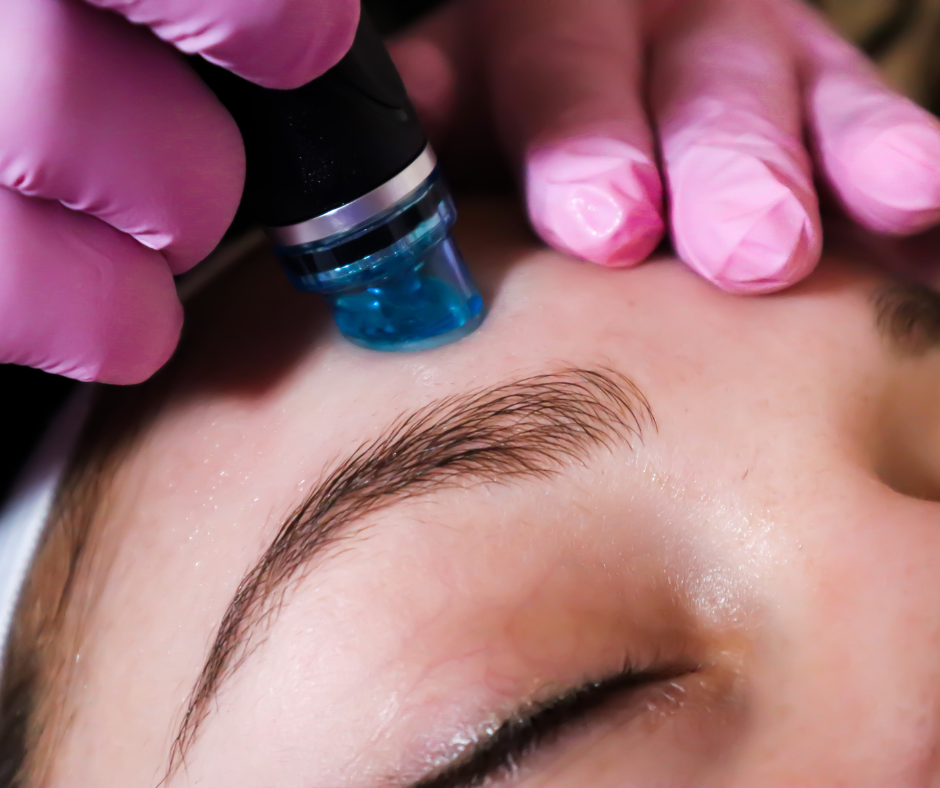
HydraFacial is a multi-step skincare procedure that uses a unique patented device to cleanse, exfoliate, extract impurities, and nourish the skin with intensive serums. Combining the use of vortex technology and hydradermabrasion, this treatment effectively hydrates and improves the tone and texture of your skin. It is suitable for all skin types and offers immediate results, making it a favorite among individuals seeking a quick boost of confidence before a special event.

Key Benefits of HydraFacial: Why Choose This Treatment?

1. Deep Cleansing and Exfoliation

One of the standout features of HydraFacial is its ability to deeply cleanse and exfoliate your skin. The treatment effectively removes dead skin cells, revealing a smoother and brighter complexion underneath. This not only enhances your skin's appearance but also promotes better absorption of skincare products.

2. Pore Unclogging and Extraction

Clogged pores can lead to breakouts and dull skin. With HydraFacial, the extraction process is gentle yet effective, removing blackheads, whiteheads, and debris from your pores. This leaves your skin feeling refreshed and significantly reduces the chances of future breakouts.

3. Hydration Boost

Hydration is essential for maintaining healthy skin. HydraFacial infuses the skin with hydrating serums containing antioxidants, peptides, and hyaluronic acid, ensuring your skin remains plump and youthful. This hydration boost is especially beneficial in Abu Dhabi's dry climate.

4.Customizable Treatment

Every individual's skin is unique, and HydraFacial offers a customizable treatment experience. Depending on your skin type and specific concerns, the treatment can be tailored to include boosters and serums that target your needs, such as anti-aging, acne, or hyperpigmentation solutions.

5. Immediate Results with No Downtime

One of the most appealing aspects of HydraFacial is that delivers it instant results. Many people leave the treatment with a noticeable glow and improved texture, all without any downtime. This makes HydraFacial an ideal choice for busy individuals who want to look their best without taking time off their schedules.

Tips to Maximize Your HydraFacial Experience

  • Consult a Professional:  Before undergoing the treatment, consult with a licensed skincare professional to determine the right plan for your skin type.
  • Stay Hydrated:  Drink plenty of water before and after the treatment to enhance the hydrating effects.
  • Follow Aftercare Instructions:  After your HydraFacial, adhere to any aftercare instructions provided by your dermatologist to prolong the results.

Conclusion: Your Journey to Radiant Skin Starts Here

If you're looking to transform your skin and achieve a radiant complexion in Abu Dhabi, HydraFacial is the answer. With its deep cleansing, hydration, and immediate results, this treatment stands out as a game-changer in the world of skincare. Book your appointment today and embark on your journey towards healthier, glowing skin!

Friday

Is Crown Hair Transplant Worth the Investment?

In an era where appearance plays a critical role in self-esteem and confidence, hair loss can be a distressing issue for many individuals. Finding effective solutions has become a priority, and one of the most discussed options is the Crown Hair Transplant in Abu Dhabi. This article addresses the worthiness of investing in this procedure, exploring its effectiveness, benefits, costs, and potential return on investment.

Unraveling the Concept of Crown Hair Transplant

What Exactly is a Crown Hair Transplant?

A crown hair transplant is a targeted cosmetic procedure designed to combat hair thinning or loss specifically in the crown region of the scalp. By extracting healthy hair follicles from a donor area (usually the back or sides of the head) and implanting them in the crown area, this procedure aims to restore a natural appearance and fullness.

Is Crown Hair Transplant Worth the Investment?

Why is Abu Dhabi a Top Choice for Hair Transplants?

Abu Dhabi has gained recognition for offering high-quality hair restoration services. Here’s why it stands out:

  • Expert Surgeons: Many clinics employ highly skilled and experienced professionals who specialize in hair transplants.
  • Advanced Technology: State-of-the-art facilities equipped with the latest technology enhance the quality of care and results.
  • Affordability: Compared to Western markets, the costs of crown hair transplants in Abu Dhabi are often more budget-friendly, making it an attractive option for many.
  • Cultural Acceptance: There’s a growing recognition and acceptance of cosmetic procedures in the region, encouraging individuals to seek solutions to hair loss.

Evaluating the Worth of the Crown Hair Transplant

Are Crown Hair Transplants Effective?

The effectiveness of a crown hair transplant can be assessed through various factors:

  1. Natural Results: When performed by experienced professionals, the results can look incredibly natural, seamlessly incorporating with existing hair.
  2. High Success Rate: Patients often enjoy high survival rates for transplanted hair follicles, typically around 80-95%, ensuring that most transplanted hairs thrive in their new environment.
  3. Timely Results: Many individuals observe initial results within three to six months, with full growth often seen within 12 to 18 months.

Advantages of Crown Hair Transplants

Considering a crown hair transplant in Abu Dhabi is a significant decision, and understanding the benefits can help solidify that choice:

  • Minimally Invasive Procedures: Techniques such as Follicular Unit Extraction (FUE) are less invasive, promoting faster recovery times.
  • Boost in Confidence: People frequently report feeling more confident and satisfied with their appearance post-procedure.
  • Longevity of Results: Unlike temporary solutions like hairpieces or medications, the results of a hair transplant are long-lasting and often permanent if performed correctly.

Financial Aspects: Is It Worth the Investment?

What is the Cost of a Crown Hair Transplant in Abu Dhabi?

The cost of a crown hair transplant in Abu Dhabi can vary significantly depending on several factors, including:

  • The Clinic's Reputation: Well-established clinics with experienced surgeons may charge higher prices.
  • Extent of Hair Loss: The number of grafts needed will directly influence the overall price.
  • Techniques Used: Advanced techniques may come at a premium but can offer better results and faster recovery times.

On average, the cost can range from AED 10,000 to AED 30,000 (or higher), depending on individual circumstances.

Considering the Return on Investment

The return on investment (ROI) for a crown hair transplant can be evaluated through the following lenses:

  1. Increased Self-Confidence: The psychological benefits of feeling more attractive and confident can far outweigh the costs for many individuals.
  2. Long-Term Solution: Unlike other hair loss treatments, which require ongoing expenses, a hair transplant can provide a lasting result, making it a cost-effective choice in the long run.
  3. Enhanced Social Life: Many people find that having a fuller head of hair positively impacts their social interactions and professional opportunities.

Conclusion

Investing in a crown hair transplant in Abu Dhabi can be a life-altering decision, offering significant psychological and aesthetic benefits. With many highly skilled professionals and modern facilities available, individuals seeking to restore their hair have ample options. This investment can yield long-lasting results, fostering newfound confidence and enhancing one’s quality of life. If you’re grappling with hair loss and considering restoration, a crown hair transplant might just be the solution you’ve been searching for.

Thursday

Pain-Free Laser Hair Therapy for Hair Loss

Are you tired of living with thinning hair or balding spots? Do you feel self-conscious about your appearance, struggling to find a solution for Hair Loss Treatments in Abu Dhabi that actually works? Look no further! Laser Hair Therapy: A Game-Changer for Hair Loss is here to revolutionize the way you think about hair restoration.

The Problem with Traditional Hair Loss Treatments

For centuries, humans have been searching for a cure for hair loss. From ancient remedies to modern medications, the quest for a full and luscious mane has been ongoing. However, many traditional treatments come with side effects, from itching and irritation to fatigue and mood changes. It's no wonder why so many individuals have been left feeling frustrated and disappointed.

Pain-Free Laser Hair Therapy for Hair Loss

The Science Behind Laser Hair Therapy

Laser Hair Therapy is a non-invasive, pain-free treatment that uses low-level laser therapy (LLLT) or photobiomodulation (PBM) to stimulate hair growth. By targeting the scalp with specific wavelengths of light, LHT increases blood flow, promotes cellular energy, and enhances hair growth factors. This revolutionary technology has been shown to:

  • Increase hair density: Thicker, fuller hair without the need for harsh chemicals or surgery
  • Enhance hair growth: Longer, healthier hair that's less prone to breakage
  • Reduce shedding: Say goodbye to excessive shedding and hello to a fuller head of hair

How Does Laser Hair Therapy Work?

The process is simple:

  1. Consultation: Schedule a consultation with a trained professional to discuss your hair loss concerns and determine the best course of treatment.
  2. Treatment: Sit back and relax as the laser device is applied to your scalp. Treatment sessions typically last 20-30 minutes.
  3. Maintenance: Follow up with regular maintenance sessions to ensure optimal results.

What to Expect During Treatment

  • Pain-Free: No discomfort, no pain – just relaxation
  • No Downtime: Get back to your daily routine immediately
  • Visible Results: Noticeable improvements in just a few sessions

Common FAQs About Laser Hair Therapy

Q: Is Laser Hair Therapy Safe? A: Absolutely! LHT has been deemed safe by the FDA and is used worldwide for various applications.

Q: How Long Does Treatment Take? A: Sessions typically last 20-30 minutes, with maintenance sessions spaced 1-2 weeks apart.

Q: Can I Use Laser Hair Therapy at Home? A: While there are at-home devices available, it's recommended to consult with a professional for optimal results and personalized guidance.

Q: Are There Any Side Effects? A: Mild side effects may include redness or sensitivity at the treatment site, but these typically resolve on their own within hours.

Q: How Many Sessions Will I Need? A: The number of sessions varies depending on individual results, but most clients achieve desired outcomes within 6-12 sessions.

Conclusion

Laser Hair Therapy is a groundbreaking solution for those struggling with hair loss. With its pain-free, non-invasive approach and rapid results, it's no wonder why this technology has taken the world by storm. Say goodbye to embarrassing balding spots and hello to a fuller, thicker head of hair. Don't wait any longer – discover the power of LHT today!

Wednesday

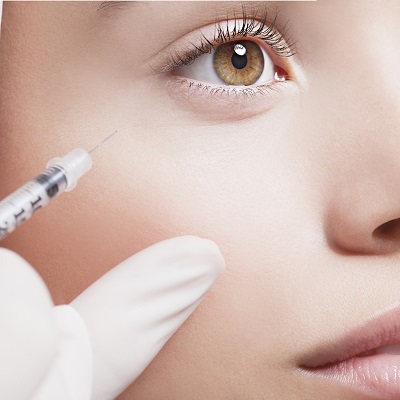
How Effective Are Under Eye Fillers

 Under eye fillers in Abu Dhabi​ have emerged as a popular cosmetic treatment in recent years, particularly in a city where the demand for youthful and rejuvenated appearances is ever-growing. As more individuals seek rapid aesthetic solutions, understanding the efficacy of these under eye fillers becomes imperative. This article delves into the effectiveness of under eye fillers in Abu Dhabi, the procedure involved, potential risks, and answers to frequently asked questions.

Understanding Under Eye Fillers

Under eye fillers are injectable substances designed to enhance the area beneath the eyes, addressing issues like dark circles, hollowness, and fine lines. Hyaluronic acid, a naturally occurring substance in the body, is commonly used due to its ability to retain moisture and create volume. These fillers not only improve the aesthetic of the under-eye region but also restore a youthful glow to the face.

Types of Under Eye Fillers

  1. Hyaluronic Acid Fillers: These are the most popular and widely used due to their biocompatibility and ease of use. Brands such as Juvederm and Restylane are household names in this category.

  2. Calcium Hydroxylapatite: This filler not only restores volume but also stimulates collagen production, offering longer-lasting results.

  3. Poly-L-lactic Acid: A biocompatible, biodegradable product that helps in collagen production over time, suitable for deeper creases.


How Effective Are Under Eye Fillers?

Results You Can Expect

One of the primary appeals of under eye fillers in Abu Dhabi is their ability to provide immediate results. Patients often report noticeable improvement in the appearance of their under-eye area almost instantly after the treatment. The results can last from six months to two years, depending on the type of filler used and the individual's skin response.

Boosting Confidence and Self-Esteem

Many individuals undergo under eye filler treatments to not only improve their appearance but also boost their confidence. An enhanced under-eye area can lead to a more vibrant and energetic look, positively affecting self-esteem.

Minimally Invasive and Quick Procedure

One of the significant advantages of under eye fillers is that the procedure is minimally invasive. Typically taking only about 15 to 30 minutes, patients can often resume their daily activities immediately after treatment, making it an appealing option for those with busy lifestyles.

The Under Eye Filler Experience: What to Expect

Consultation: The First Step

Before undergoing treatment, a consultation with a qualified aesthetic practitioner is essential. They will assess the area, discuss expectations, and determine the most suitable filler. This step aims to ensure the desired outcome aligns with the patient’s facial harmony.

The Injection Process

During the procedure, the practitioner will apply a topical anesthetic to minimize discomfort. The filler is then strategically injected beneath the skin. Patients may feel slight pressure or a pinching sensation during the process, but the overall experience is generally well-tolerated.

Aftercare and Recovery

Post-treatment, some swelling or bruising may occur, but this typically subsides within a few days. Adhering to aftercare instructions provided by the practitioner will help ensure optimal results.

Risks and Considerations

Like any cosmetic procedure, under eye fillers come with potential risks. Common side effects can include bruising, swelling, and redness at the injection site. Serious complications are rare but can include allergies or overfilling. Therefore, choosing a qualified and experienced practitioner in Abu Dhabi is vital.

Who Should Avoid Under Eye Fillers?

  • Pregnant or breastfeeding women
  • Individuals with a history of allergies to dermal fillers
  • Those with certain skin conditions or infections in the treatment area

Conclusion

Under eye fillers present a transformative solution for those looking to rejuvenate their appearance in Abu Dhabi. With the ability to provide fast, effective results with minimal downtime, it is no wonder that they are becoming a popular cosmetic choice. However, potential patients should conduct thorough research and consult with experienced professionals to ensure a safe and satisfying treatment experience. Unlock the brilliance beneath your eyes and embrace a more youthful version of yourself with under eye fillers!

Monday

What Is PRP Treatment and How Does It Work?

As the quest for effective hair restoration and rejuvenation techniques continues to grow, Platelet-Rich Plasma PRP Treatment in Abu Dhabi has emerged as a leading option. But what exactly is PRP treatment, and how does it work? In this article, we will unravel the intricacies of this innovative therapy, its applications, and what potential candidates can expect from the process.

Understanding PRP Treatment: A Snapshot

PRP treatment is a revolutionary non-surgical procedure that uses the body’s own healing properties to promote healing and regeneration. This technique has garnered attention not only for its application in hair restoration but also in skincare and orthopedic therapy.

The Basic Process of PRP Therapy

  1. Blood Collection: PRP begins with a simple blood draw, similar to routine lab tests.

  2. Centrifugation: The collected blood is placed in a centrifuge, a device that spins at high speeds to separate the blood components. This process isolates the platelet-rich plasma from the red blood cells and other components.

  3. Injection: The concentrated PRP is then injected into the target area, whether it’s the scalp for hair growth, the face for aesthetic improvement, or joints for injury recovery.

  4. Post-Treatment Care: Patients receive specific aftercare instructions to enhance recovery and results, depending on the treatment area.

What Is PRP Treatment and How Does It Work?

How Does PRP Work? The Mechanism of Action

At the core of PRP treatment is the notion that platelets—cell fragments in blood—contain growth factors essential for tissue repair and regeneration. When injected, PRP promotes healing through several mechanisms:

1. Growth Factor Release

The platelets in PRP contain numerous growth factors, such as Platelet-Derived Growth Factor (PDGF), Vascular Endothelial Growth Factor (VEGF), and Transforming Growth Factor (TGF). When injected into the targeted area, these factors stimulate cellular regeneration and promote new tissue growth.

2. Angiogenesis

PRP enhances angiogenesis, the process through which new blood vessels form from existing vessels. This increased blood supply aids in healing and provides essential nutrients to the follicles, encouraging hair regrowth and rejuvenation.

3. Inflammation Reduction

PRP has anti-inflammatory properties that can decrease inflammation in areas such as the scalp or joints. This aspect is particularly beneficial for individuals suffering from conditions that involve inflammation.

4. Enhanced Cellular Migration

The growth factors in PRP attract stem cells to the injection site, promoting cellular migration and leading to the regeneration of tissues.

Applications of PRP Treatment

While popularly known for its effectiveness in hair restoration, PRP treatment has several other applications:

1. Hair Restoration

PRP therapy has shown promising results in treating androgenetic alopecia and other forms of hair loss. By stimulating inactive hair follicles, patients may experience increased hair density and thickness.

2. Skin Rejuvenation

In the realm of aesthetics, PRP is used for facial rejuvenation, reducing wrinkles and enhancing skin texture and tone. This application combines the benefits of natural healing with cosmetic improvement.

3. Orthopedic Conditions

PRP treatment is increasingly utilized in orthopedic applications, particularly for joint injuries, tendonitis, and arthritis. By accelerating healing in damaged tissues, patients experience reduced pain and improved mobility.

What to Expect from PRP Treatment

Efficacy Timeline

While PRP treatment results vary by individual, many patients begin to see improvements in hair density and skin quality within 3-6 months post-treatment. Patience and consistency are key.

Treatment Sessions

Most patients typically require a series of 3-6 treatments, spaced several weeks apart. For sustained results, maintenance sessions are recommended every 6-12 months.

Expert Insights: Is PRP Treatment Right for You?

Before deciding on PRP therapy, it’s crucial to consult a qualified healthcare provider with expertise in this area. They can assess your specific condition and discuss the potential benefits and risks based on your medical history.

Potential Risks and Side Effects

PRP treatment is generally safe since it utilizes the patient’s own blood. However, some possible side effects can include:

  • Swelling or discomfort at the injection site
  • Slight bruising
  • Infection (though rare)

Frequently Asked Questions

1. How long does a PRP session take?

A typical PRP session lasts about 60 to 90 minutes, including blood draw, processing, and injection time.

2. Is PRP treatment painful?

Most patients report mild discomfort during the injection process, but numbing agents can be applied to minimize pain.

3. How much does PRP treatment cost?

Costs vary depending on the provider, location and multiple sessions.

4. How long do the results last?

Results can last for several months, with maintenance treatments recommended 1-2 times per year for sustained results.

Conclusion: Embracing the Future of Healing

PRP treatment represents a groundbreaking shift in how we address hair loss, skin issues, and orthopedic problems. By harnessing your body’s natural healing abilities, PRP therapy offers a promising path towards rejuvenation and recovery. If you’re considering PRP, consult with a skilled provider to explore how this innovative treatment can benefit you.

Saturday

What Are the Benefits of a Hair Transplant Today?

In today's world, hair loss can significantly impact an individual’s self-esteem and overall well-being. Fortunately, advancements in medical technology have made hair transplantation an appealing solution, particularly regarding Hair Transplant Cost in Abu Dhabi. This article explores the numerous benefits of hair transplants, shedding light on why they are a popular choice for many seeking to restore their hair and confidence.

Why Hair Transplants Are Gaining Popularity

Hair transplants have evolved dramatically from their early days. Not only are they more effective, but they also allow for a more natural appearance, making them an attractive option for those experiencing hair loss. Here are some compelling reasons why individuals are increasingly turning to this procedure.

What Are the Benefits of a Hair Transplant Today?

1. Immediate and Long-Lasting Results

One of the most significant advantages of a hair transplant is the rapid results it offers. Unlike other hair restoration treatments, which may take months or years to show improvements, a hair transplant can provide noticeable results within weeks. The transplanted hair typically continues to grow naturally, offering a permanent solution to hair loss.

2. Natural Appearance

Modern techniques such as Follicular Unit Extraction (FUE) and Follicular Unit Transplantation (FUT) have revolutionized hair restoration. These methods ensure that the transplanted hair blends seamlessly with existing hair, creating a natural look. Surgeons strategically place hair follicles to mimic the natural hairline, resulting in a youthful and realistic appearance.

3. Minimal Downtime

Many individuals are concerned about recovery time after a surgical procedure. Fortunately, hair transplants involve minimal downtime. Most patients can return to their daily activities within a few days. While some redness and swelling at the donor area might occur, it typically subsides quickly, allowing individuals to resume their lives with minimal disruptions.

4. Boosts Self-Confidence and Mental Well-being

The psychological benefits of a hair transplant are often overlooked. Hair loss can lead to decreased self-esteem and confidence. By restoring a fuller head of hair, individuals often find themselves feeling more confident, leading to improved social interactions and opportunities. The transformative effects can be profound, positively influencing personal and professional aspects of life.

5. Low Maintenance

Once the transplanted hair begins to grow, it requires minimal maintenance. Unlike wigs or hairpieces, which require regular upkeep and styling, transplanted hair can be treated like natural hair. Patients can wash, cut, and style their hair as desired without the need for special care or products.

The Procedure: What to Expect

Many individuals are curious about the process of hair transplantation. Understanding what to expect can alleviate concerns and help patients feel more prepared.

Consultation

The journey begins with a comprehensive consultation with a qualified specialist. During this initial meeting, the surgeon assesses the patient’s hair loss condition and discusses expectations and options available. This step is crucial for tailoring the procedure to meet individual needs.

Procedure Day

On the day of the procedure, the patient is often given a local anesthetic to minimize discomfort. The surgeon extracts hair follicles from the donor area, typically from the back or sides of the head. These follicles are then carefully implanted into the thinning or balding areas.

Post-Procedure Care

After the procedure, patients receive aftercare instructions. It’s essential to follow these guidelines to ensure optimal results. Patients may experience some itching or redness, but this is normal. Daily activities can often be resumed within a couple of days, although it’s advisable to avoid strenuous activities for a short period.

Embrace a Brighter Future with Hair Transplantation

The benefits of hair transplantation are undeniable. From immediate results and natural appearance to the psychological boost of renewed confidence, this procedure offers a comprehensive solution for individuals dealing with hair loss. With modern techniques and skilled practitioners, achieving a full head of hair is more accessible than ever. If you are considering a hair transplant, consult with a qualified specialist to explore your options and take the first step toward revitalizing your appearance and confidence.

Breaking Up with Your Tattoo: Guide to Laser Tattoo Removal

Tattoos can serve as a striking expression of identity, but sometimes life leads us on unexpected paths. If you're considering a fresh start or simply want to part ways with your ink, Laser Tattoo Removal in Abu Dhabi may be your best option. This guide provides everything you need to know about breaking free from your tattoo and discovering rapid results.

The Science of Laser Tattoo Removal: How It Works

Laser tattoo removal is a non-invasive procedure that utilizes high-intensity light beams to break down the ink particles in your skin. Understanding the science behind this method helps demystify the process and reveals why it’s the preferred choice for many seeking to remove tattoos.

How Lasers Break Down Ink

The process works by targeting specific wavelengths of light that are absorbed by the different ink colors in your tattoo. When the laser is applied, it generates heat that breaks the ink into smaller fragments. Your body's immune system then works to eliminate these smaller particles over time.

Types of Lasers Used

  1. Q-Switched Lasers: These are the most commonly used lasers for tattoo removal. They deliver short bursts of energy that effectively target ink without causing significant damage to surrounding tissue.

  2. Pico Lasers: A newer technology that operates at a higher frequency and can break down ink particles even more efficiently. This means fewer sessions may be needed for complete removal.

The Laser Tattoo Removal Process: What to Expect

Understanding what to expect can alleviate anxiety about the process. Here's a breakdown of the steps involved in laser tattoo removal:

Initial Consultation

During your first appointment, a professional will assess your tattoo type, size, and ink colors to develop a customized removal plan. It's also an opportunity for you to ask questions and express any concerns.

Treatment Sessions

  • Frequency: Typically, treatments are spaced 4 to 8 weeks apart to give your skin time to heal.
  • Duration: Each session may last from 15 minutes to an hour, depending on the size and complexity of your tattoo.

Aftercare

Post-treatment care is crucial for optimal healing. Follow your provider’s instructions and consider the following tips:

  • Avoid sun exposure and apply sunscreen to protect your skin.
  • Keep the treated area clean and moisturized.
  • Refrain from picking at scabs or blisters to prevent scarring.

Potential Side Effects and Risks

While laser tattoo removal is generally safe, it's essential to be aware of potential side effects:

  • Swelling and redness are common immediately after treatment.
  • Blistering may occur, which is a natural part of the healing process.
  • Some people may experience changes in skin pigmentation, which can be temporary or permanent.

The Cost of Freedom: Understanding Prices

The financial aspect of laser tattoo removal can vary widely based on several factors:

  • Tattoo Size and Complexity: Larger or multicolored tattoos typically require more sessions and cost more.
  • Location: Prices can differ significantly by region and provider.
  • Type of Laser Used: Advanced lasers may come with a higher price tag but can offer quicker results.

Conclusion: Taking the Next Step Towards Renewal

Breaking up with your tattoo doesn’t have to be daunting. Armed with knowledge, you can make an informed decision about laser tattoo removal. Whether you're seeking a clean slate or simply wish to remove an unwanted mark, laser technology offers effective solutions for reclaiming skin and self-identity.

No matter your reasons, remember that the journey towards renewal is a personal one, and the freedom that comes with it can be transformative. If you're ready to explore your options, consult with a qualified professional to begin your journey towards a tattoo-free tomorrow.

Friday

Glutathione Injection is it Really Worth the Hype?

The quest for glowing skin and overall wellness has led many to explore various beauty treatments and health supplements. One of the most talked-about treatments in recent years has been Glutathione Injections in Abu Dhabi. With their rising popularity, many people are left wondering: are they really as effective as advertised? In this article, we’ll delve into the benefits, risks, and what you need to know before considering glutathione injections.

The Science Behind Glutathione

What is Glutathione?

Glutathione is a powerful antioxidant naturally produced in the body. It is composed of three amino acids: cysteine, glutamine, and glycine. Its primary role is to combat oxidative stress and reduce cellular damage caused by free radicals. Glutathione is essential for various bodily functions, including detoxification, immune response, and skin health.

How Do Glutathione Injections Work?

Glutathione injections deliver a concentrated form of this vital antioxidant directly into the bloodstream. This method is believed to increase glutathione levels more quickly and effectively than oral supplements. People opt for glutathione injections mainly for their purported ability to lighten skin tone, reduce wrinkles, and promote a youthful glow.

Why the Hype?

Skin Lightening and Brightening Effects

One of the most alluring aspects of glutathione injections is their claimed skin lightening properties. Advocates suggest that the treatment can reduce melanin production, thereby promoting a fairer complexion. Many celebrities and influencers have shared their glowing skin transformations, fueling the perception that glutathione injections could be a shortcut to beauty.

Health Benefits Beyond Aesthetics

In addition to its cosmetic applications, glutathione has several health benefits. It plays a crucial role in detoxifying the liver, boosting the immune system, and enhancing energy levels. These health advantages make glutathione injections appealing not just for cosmetic reasons but also for those seeking overall wellness.

Potential Risks and Considerations

Side Effects to Be Aware Of

Though generally deemed safe when administered by a qualified professional, glutathione injections can have side effects. These may include:

  • Allergic reactions
  • Skin rashes
  • Gastrointestinal disturbances
  • Changes in kidney function

Consulting a Professional

Before considering glutathione injections, it’s essential to consult a healthcare professional. They can assess your health status, discuss potential side effects, and determine whether this treatment aligns with your goals.

Alternatives to Glutathione Injections

Oral Supplements and Topical Treatments

For those hesitant about injections, various oral glutathione supplements and topical creams are available. While these may not provide the same instant results, they can still contribute positively to overall skin health and antioxidant levels.

Lifestyle Changes for Natural Glow

Incorporating a diet rich in fruits and vegetables, staying hydrated, and maintaining a healthy lifestyle are natural ways to boost your body’s glutathione levels. Foods such as spinach, avocado, and broccoli are known to enhance glutathione production.

Conclusion: Worth the Hype?

In summary, glutathione injections have garnered attention for their potential multiple benefits ranging from skin lightening to overall wellness. However, it is critical to approach these treatments with caution. The lack of extensive scientific research and the potential for side effects are essential considerations. Consulting with healthcare professionals and weighing the pros and cons will help you make an informed decision about whether glutathione injections are the right choice for you.

Thursday

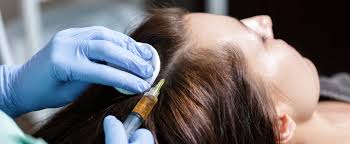
How PRP Thickens Hair And Adds Volume

 In an age where appearance plays a significant role in personal confidence, hair thinning and loss can pose a challenge for many. Fortunately, advancements in medical technology, particularly Platelet-Rich Plasma (PRP) therapy at ​Enfield Royal Clinic in Abu Dhabi, have emerged as a beacon of hope. This article will dive deep into the fascinating world of PRP treatments, exploring how this innovative procedure can revitalize hair, enhancing thickness and volume.

Understanding PRP: The Science Behind the Therapy

PRP therapy is a non-surgical treatment that uses components derived from your own blood to stimulate hair growth. It involves a three-step process:

  1. Blood Collection: A small amount of blood is drawn from the patient’s arm.
  2. Centrifugation: The blood is spun in a centrifuge to separate the PRP from the other blood components.
  3. Injection: The concentrated PRP is then injected into the scalp, targeting areas affected by hair thinning.

The key to PRP therapy is the platelet concentration, which is rich in growth factors known to promote healing and tissue regeneration. This natural regenerative ability has transformed it into a potent solution for enhancing hair growth.

The Mechanism: How PRP Stimulates Hair Follicles

When PRP is injected into the scalp, it works through several mechanisms:

  • Increased Blood Supply: PRP enhances blood circulation to hair follicles, delivering essential nutrients and oxygen.
  • Cell Growth Stimulation: The growth factors in PRP stimulate dormant hair follicles to enter the growth phase.
  • Reduced Inflammation: PRP therapy may help mitigate inflammation around the hair follicles, creating an optimum environment for hair growth.
  • Strengthening of Existing Hair: In addition to stimulating new growth, PRP can also strengthen existing hair, making it thicker and healthier.

Expected Results: How Long Until You See Changes?

Many patients report noticeable results within 3 to 6 months following their initial PRP treatment. The process is gradual, as it revitalizes the hair follicles rather than producing instant results. Regular sessions, typically spaced 4 to 6 weeks apart, are often recommended initially, followed by maintenance treatments every 6 to 12 months.

Benefits of PRP Therapy for Hair Loss

  • Natural Approach: Since PRP uses the patient’s own blood, the risk of allergic reactions or side effects is minimized.
  • Minimal Downtime: Most patients can resume daily activities immediately after the procedure.
  • Versatile Application: PRP therapy can be effective for various hair types and thinning patterns, making it suitable for diverse individuals.

Who Can Benefit from PRP Hair Treatments?

PRP therapy is appropriate for both men and women experiencing various forms of hair loss, including:

  • Genetic Hair Loss: Also known as androgenetic alopecia, this is the most common form of hair loss.
  • Alopecia Areata: An autoimmune condition that leads to patchy hair loss.
  • Traction Alopecia: Caused by hairstyles that pull on the hair.
  • Thinning Hair: General hair thinning due to aging or hormonal changes.

However, it is essential to consult a qualified medical professional to determine if PRP is the right option for your specific hair loss condition.

Potential Risks and Considerations

While PRP therapy is generally safe, it does come with some potential side effects:

  • Mild Pain: As the treatment involves injections, patients may experience some discomfort.
  • Swelling or Bruising: These effects generally subside quickly.
  • Infection: Though rare, there is always a slight risk of infection at the injection site.

Before undergoing PRP treatment, a thorough consultation with a healthcare provider is crucial. They can evaluate your medical history and offer personalized advice.

Cost of PRP Therapy: A Worthwhile Investment?

The cost of PRP therapy for hair restoration can vary widely based on geographic location, provider expertise, and treatment packages offered. While this investment may seem high, many patients find the long-term benefits to enhance quality of life and self-esteem to be invaluable.

Frequently Asked Questions (FAQs)

What is the success rate of PRP therapy?

The success rate of PRP therapy can vary, but many studies show that around 70-80% of patients experience significant hair growth and improved thickness after a series of treatments.

How long does a PRP session take?

A typical PRP session takes about 60-90 minutes, including blood draw, preparation of the PRP, and injection into the scalp.

Is PRP therapy painful?

Most patients report mild discomfort during the injection. Local anesthetic may be used to mitigate pain during the procedure.

How many sessions are needed for optimal results?

Most patients undergo an initial series of 3-4 treatments, spaced about a month apart, followed by maintenance treatments every 6-12 months.

Can PRP be combined with other hair loss treatments?

Yes, PRP therapy can be effectively combined with other treatments, such as topical minoxidil or oral medications, for enhanced results.

Is PRP suitable for everyone?

While PRP is suitable for many, individual suitability depends on various factors, including the cause of hair loss. A consultation with a medical professional is essential to determine if you're a good candidate.

Conclusion: Embrace a New Era of Hair Restoration

PRP therapy has revolutionized the approach to hair restoration by offering a safe, effective, and relatively simple solution for those looking to enhance hair thickness and volume. By harnessing the body’s natural healing capabilities, PRP not only fosters hair growth but also restores confidence. As more individuals explore this exciting treatment, the promise of luscious, voluminous hair is more achievable than ever. If you're considering PRP therapy, consult with a qualified healthcare provider to embark on your journey to thicker, healthier hair.

Wednesday

Mounjaro Weight Loss Injection for Type 2 Diabetes

 If you or a loved one is navigating the challenges of type 2 diabetes, you know that managing blood sugar levels and weight can be a relentless cycle. It’s frustrating, right? You try to shed the pounds that cause spikes in your sugar levels, but it feels like you’re running on a hamster wheel. Enter Mounjaro Abu Dhabi, the newest kid on the block that’s generating buzz for not only improving diabetes management but also helping with weight loss. Let’s explore how this medication can change the game.

What is Mounjaro?

So, what exactly is Mounjaro? Officially known as tirzepatide, this injectable medication was designed primarily for managing type 2 diabetes. But it turns out, it has a second act in the weight loss department. Mounjaro mimics hormones that help control your blood sugar and appetite—making it a two-for-one deal for those struggling with diabetes and excess weight.

How Mounjaro Works

Now, let’s break down how Mounjaro pulls off its impressive feats. When injected, it activates receptors in the brain and digestive system that regulate hunger and insulin. Imagine it as a skilled conductor leading an orchestra—bringing together different instruments (or hormones, in this case) to create a harmonious balance. By signaling fullness and improving insulin sensitivity, Mounjaro can help those with type 2 diabetes achieve better blood sugar control and encourage weight loss.

Weight Loss Benefits of Mounjaro

One of the most compelling reasons people discuss Mounjaro is the weight loss potential it offers. Here’s what you can expect:

  • Appetite Suppression: Users often find they feel less hungry, preventing those pesky cravings that lead to overeating.
  • Increased Feelings of Fullness: Eating smaller portions can leave you satisfied, helping to regulate daily caloric intake without feeling deprived.
  • Comparison to Other Weight Loss Aids: Unlike some other weight loss medications, Mounjaro focuses on both diabetes management and weight loss, making it a holistic solution.

Clinical Findings on Mounjaro and Weight Loss

Clinical studies have showcased impressive results for Mounjaro users. In trials, individuals utilizing Mounjaro reported weight reductions averaging 15-20% of their body weight over a year, alongside improvements in their diabetes management. That’s no small feat! Participants noted a significant decrease in their A1C levels—the marker glucose testing reveals—indicating better blood sugar control.

Who Should Consider Mounjaro?

Now, you might be wondering if Mounjaro is right for you. The ideal candidates are typically adults with type 2 diabetes who also have obesity or struggle with overweight challenges. Key factors include having a BMI of 30 or more, or 27 or more with certain weight-related health issues. It’s critical to consult with your healthcare provider, who can evaluate your individual health profile and determine whether Mounjaro fits into your treatment plan.

Possible Side Effects of Mounjaro

Of course, no medication is without its drawbacks. Common side effects may include nausea, diarrhea, and unsolicited stomach discomfort—think of it as your body adjusting to a new player on the field. While these side effects are often manageable and tend to dissipate over time, there are rare but serious side effects, such as pancreatitis. That’s why maintaining regular check-ups and monitoring your health while on Mounjaro is essential.

Incorporating Mounjaro into Lifestyle

If you and your doctor decide Mounjaro is the right fit, it’s time to make it work for you. Administered via a once-weekly injection, it’s pretty straightforward. However, it shines best when combined with a balanced diet and exercise routine. Think of Mounjaro as the spark to ignite your healthier lifestyle! With changes in diet and regular physical activity, you can enhance its effects and create lasting change.

Conclusion

In summary, Mounjaro presents a promising dual approach for individuals managing type 2 diabetes and looking to shed extra pounds. The combination of better blood sugar control and significant weight loss is hard to ignore. As with any potent medication, having open conversations with your healthcare provider ensures you’re maximizing its benefits while staying aware of potential side effects.

Tuesday

Complete Body Sculpting with Liposuction Surgery

In a world where cosmetic procedures are becoming more common, body sculpting stands out as a popular choice for those looking to achieve their dream physique. Among various techniques, liposuction has earned itself a reputation for effectively sculpting the body. So, how does this work? Let’s dive into the world of complete body sculpting with Liposuction Abu Dhabi and explore what you need to know.

Introduction to Body Sculpting

What is Body Sculpting?

Body sculpting is not just about losing weight; it's about reshaping your body to create a more defined and aesthetically pleasing silhouette. Think of it like an artist sculpting a statue; you’re enhancing the beautiful features while removing what doesn’t fit your vision.

Why Choose Liposuction for Body Sculpting?

Liposuction is a surgical procedure that specifically targets stubborn fat deposits that just won’t budge through diet and exercise alone. It allows for precision sculpting, helping you achieve the curves and contours you desire. If you want that extra help in perfecting your body shape, liposuction might just be the answer.

Complete Body Sculpting with Liposuction Surgery

Understanding Liposuction

What is Liposuction?

Liposuction, often referred to as “lipo,” is a cosmetic surgery that removes fat from various parts of the body. This includes areas like the abdomen, thighs, buttocks, and even the arms. The goal is to improve body shape and proportions.

The Liposuction Procedure

Pre-Medical procedure Interview

Before you even contemplate making a beeline for the working room, an exhaustive meeting with your specialist is critical. This step includes examining your objectives, clinical history, and guaranteeing you're a decent possibility for medical procedure.

The Careful Cycle

Upon the arrival of the medical procedure, you'll be put under sedation — normally broad sedation or neighborhood with sedation. When you're good to go, the specialist will make little entry points, infuse liquids, and afterward eliminate the undesirable fat. The entire interaction can take between one to a few hours, contingent upon the number of regions that are being dealt with.

Recuperation and Aftercare

After the technique, you could encounter expanding and swelling, which is totally ordinary. Your specialist will give itemized aftercare directions, including wearing pressure articles of clothing to limit expanding. The vast majority return to light exercises in no less than seven days, however full recuperation can require half a month.

Benefits of Liposuction for Body Sculpting

Targeting Stubborn Fat Areas

Liposuction excels in targeting those problem areas—like love handles, thighs, or a double chin—that can be incredibly stubborn even with diet and exercise.

Improving Body Proportions

This procedure is not just about fat removal; it’s also about proportion. For example, if your stomach is flat but your thighs are fuller, liposuction can help to balance those features, creating a more harmonious look.

Boosting Self-Confidence

Let’s face it, feeling good in your skin can change everything. After undergoing liposuction, many individuals report a significant boost in self-esteem and overall confidence, which can positively impact all aspects of life.

Potential Risks and Considerations

Possible Complications of Liposuction

Like any surgical procedure, liposuction comes with risks. These can include infections, fluid accumulation, and irregular body contours. It’s important to weigh these risks against the potential benefits and have open dialogues with your surgeon.

Who Should Avoid Liposuction?

Liposuction isn’t for everyone. People with certain health conditions—such as heart disease or diabetes—may be advised against the procedure. It’s crucial to have a consultation with your medical professional to assess your eligibility.

The Role of Lifestyle in Body Sculpting

Diet and Nutrition Impact

While liposuction can help you achieve your sculpting goals, it doesn’t replace a healthy lifestyle. Maintaining a balanced diet post-surgery is essential for sustaining your results. Think of it as watering a plant; it needs consistent care to thrive!

Incorporating Exercise After Surgery

Once you’ve recovered, getting active is vital. Exercise can help enhance your results and keep weight off. Plus, it's a great way to boost your mood and overall health. A mix of cardio and strength training will keep you feeling great!

FAQs about Liposuction and Body Sculpting

How Long do Results Last?

If you maintain a healthy lifestyle, the results can last for many years. However, significant weight fluctuations can lead to changes in your body shape.

Can I Combine Liposuction with Other Procedures?

Absolutely! Many people choose to combine liposuction with other cosmetic surgeries, such as tummy tucks or breast augmentations, for a comprehensive makeover.

Will Liposuction help with Weight Loss?

Liposuction is not a weight-loss procedure; it’s meant for body contouring. If you're looking to shed a significant amount of weight, focus on diet and exercise first.

Are There Non-Surgical Alternatives?

Yes, non-surgical options like CoolSculpting or SculpSure can help reduce fat without surgery. However, the results may not be as dramatic, and the areas treated are usually smaller.

What is the Cost of Liposuction Surgery?

Costs can vary widely based on several factors, including location, the expertise of the surgeon, and the scope of the procedure. 

Conclusion

Complete body sculpting with liposuction surgery can be an excellent option if you’re looking for a way to enhance your body contours and get rid of stubborn fat. However, it’s essential to approach the procedure with realistic expectations and a commitment to maintaining a healthy lifestyle afterward. Remember, liposuction is a tool in your journey toward a more confident self, not the only means to achieve that goal. So, if you’re considering it, consult with a skilled surgeon who can guide you through the process and help you make the best decision for your body and aspirations.

How Botox Injection Helps Reduce Wrinkles Fast

Botox has become one of the most sought-after cosmetic treatments worldwide, renowned for its ability to provide quick and noticeable result...