Excessive sweating, medically known as hyperhidrosis, affects millions worldwide. For many, this condition not only causes discomfort but also social anxiety and decreased quality of life. As traditional treatments may come with limitations, a growing number of individuals are turning to innovative solutions, such as Botox injections for sweaty glands in Abu Dhabi. In this article, we explore how effective these injections are for managing hyperhidrosis and the science behind this treatment.
Understanding Hyperhidrosis: The Condition Behind Profuse Sweating
What is Hyperhidrosis?
Hyperhidrosis is characterized by unusual and excessive sweating in specific areas, primarily the armpits, palms, soles of the feet, and face. It can occur due to genetic factors, medical conditions, or can be classified as primary (without underlying health conditions) or secondary (due to other health issues).
Why is it a Concern?
For many, excessive sweating can lead to embarrassment, avoidance of social interactions, and decreased productivity. Traditional treatments may include antiperspirants, medications, and in severe cases, surgical interventions. However, the quest for a minimally invasive solution has led to the exploration of Botox injections.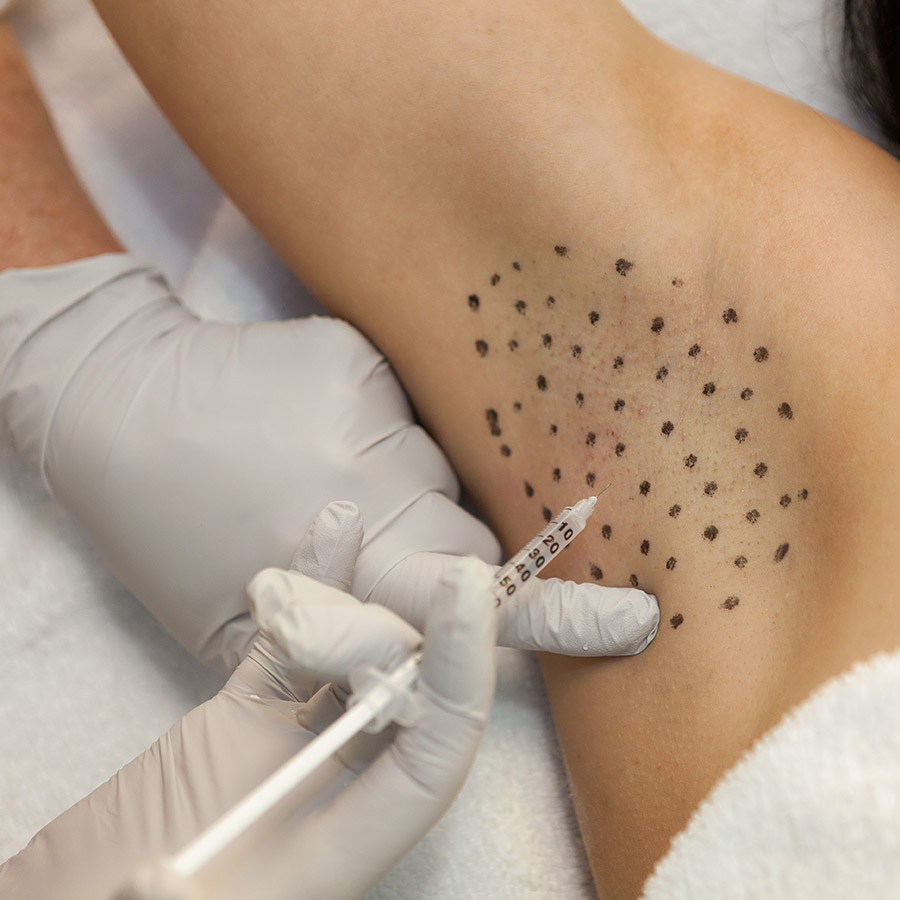
Botox: An Overview of the Treatment
How Does Botox Work?
Botox, technically known as botulinum toxin, is a neurotoxin produced by the bacterium Clostridium botulinum. When injected in small, controlled doses, Botox works by blocking nerve signals to sweat glands, effectively reducing sweat production in targeted areas.
What Does the Procedure Involve?
The Botox treatment for hyperhidrosis is relatively straightforward:
- Consultation: Discuss your condition and medical history with a certified healthcare provider.
- Preparation: The skin in the treatment area may be cleaned and, in some cases, numbed with a local anesthetic.
- Injection: Botox is injected into the targeted areas using a fine needle.
- Post-Procedure Care: Most patients can resume normal activities immediately after treatment.
Evaluating the Effectiveness of Botox for Sweaty Glands
Immediate Relief and Duration of Results
Many patients report a significant reduction in sweating within a few days to a week after treatment. The effects can last anywhere from six months to a year, varying based on individual characteristics and treatment areas.
Success Rates and Patient Satisfaction
Research highlights that Botox injections have a high success rate, with studies indicating that 80-90% of patients experience a notable decrease in sweat production. Additionally, high patient satisfaction rates are reported, with many appreciating the dramatic improvement in their quality of life.
Potential Side Effects and Considerations
What Are the Common Side Effects?
While Botox is generally considered safe, some may experience side effects, including:
- Mild pain or swelling at the injection site
- Temporary muscle weakness
- Headaches
- Flu-like symptoms
Who Should Avoid Botox Treatments?
Individuals with certain medical conditions, such as neuromuscular disorders or allergies to any components in the Botox formulation, should avoid this treatment. A thorough consultation with a healthcare provider is vital.
Comparing Botox with Other Treatment Options for Hyperhidrosis
Botox versus Antiperspirants
While over-the-counter and prescription antiperspirants can be effective for mild cases, they often do not provide sufficient relief for those with severe hyperhidrosis, making Botox a potentially superior option.
Botox versus Medications
Oral medications like anticholinergics may help but can cause side effects such as dry mouth and blurred vision. Botox injections provide targeted relief with fewer systemic side effects.
Surgical Options
In severe cases of hyperhidrosis that do not respond to other treatments, surgical options such as sympathectomy may be considered. However, these procedures carry risks and require longer recovery times compared to Botox.
Final Thoughts: Is Botox the Right Choice for You?
Botox has garnered positive attention as a potential "miracle" solution for excessive sweating, and many individuals have found relief through this treatment. If you're considering Botox for your sweaty glands, consult with a qualified healthcare provider to discuss your options, benefits, and any potential risks.


No comments:
Post a Comment